




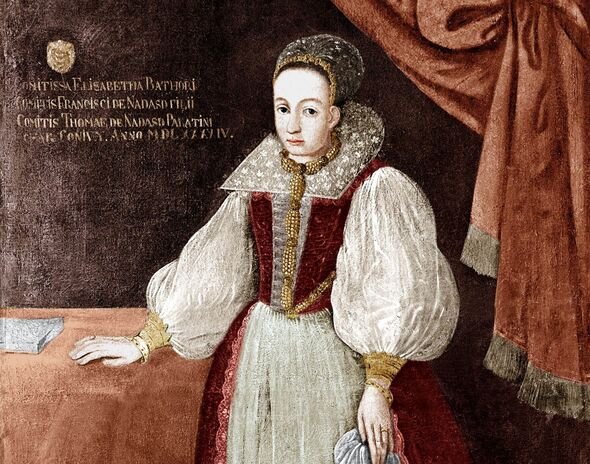

Elizabeth Bathory, infamous as the ‘Bloody Countess,’ stands accused in historical accounts of being the most notorious female serial killer, with claims she murdered as many as 650 women between 1590 and 1610. Legends persist that she bathed in her victims’ blood to preserve her youth, fueling tales that have inspired figures like the Evil Queen in the Brothers Grimm’s Snow White and possibly even Bram Stoker’s Dracula. Yet, emerging research challenges this dark narrative, portraying Bathory not as a monster, but as a wronged educator and advocate for women.
Historical Accusations Against the Countess
During her lifetime in the Kingdom of Hungary, whispers of Bathory’s atrocities spread widely. Authorities charged her and four servants with the deaths of hundreds of young girls. The servants endured horrific executions, while Bathory remained confined to her castle in Cachtice—now in Slovakia—until her death in 1614 under mysterious circumstances. For generations, her story has gripped the public imagination, blending horror with folklore.
A Fresh Perspective: Bathory as Educator and Rebel
In 2024, Dr. Annouchka Bayley, an associate professor at the University of Cambridge, presented compelling arguments that Bathory was innocent and framed as part of a political ‘stitch-up.’ Bayley describes her as a religious subversive who smuggled printed books, a radical feminist, and a benefactor who leveraged her wealth to educate disadvantaged young women in her castle.
Dr. Bayley questions the feasibility of the crimes, stating, “Who has the time in one lifetime to, one by one, kill 650 young women? She would have been a busy girl.” Her research reveals that the alleged victims belonged to a specific social group: noblewomen dispossessed of their lands after the Hungarian conquest, left unmarried due to wartime losses and occupying a precarious societal position.
Instead of harm, Bayley posits that Bathory established a school in her castle, providing literacy education and sanctuary for these ‘unmarriageable teenage deposed noblewomen.’ She highlights, “What Bathory did was set up a school to teach them how to read and offered them sanctuary. She basically sets up an institute, which is something I love because I work in education.”
Evidence of Smuggling and Relocation
Investigations at the castle uncovered just one body, alongside rumors of coffins moved through secret passages. Bayley interprets this as evidence that Bathory smuggled the young women to safety, possibly alongside forbidden religious texts she printed. This act of defiance, she argues, threatened the era’s power structures and led to her downfall.
Counterarguments and Ongoing Debate
While Bayley’s theory reframes Bathory’s legacy, many historians maintain her guilt, though they dispute the exaggerated scale of 650 murders and dismiss the blood-bathing myth as sensationalism. The debate underscores the complexities of historical judgment, blending fact with centuries-old rumors. As new analyses continue, Bathory’s story invites a reevaluation of how power, gender, and accusation intertwined in 17th-century Europe.

