




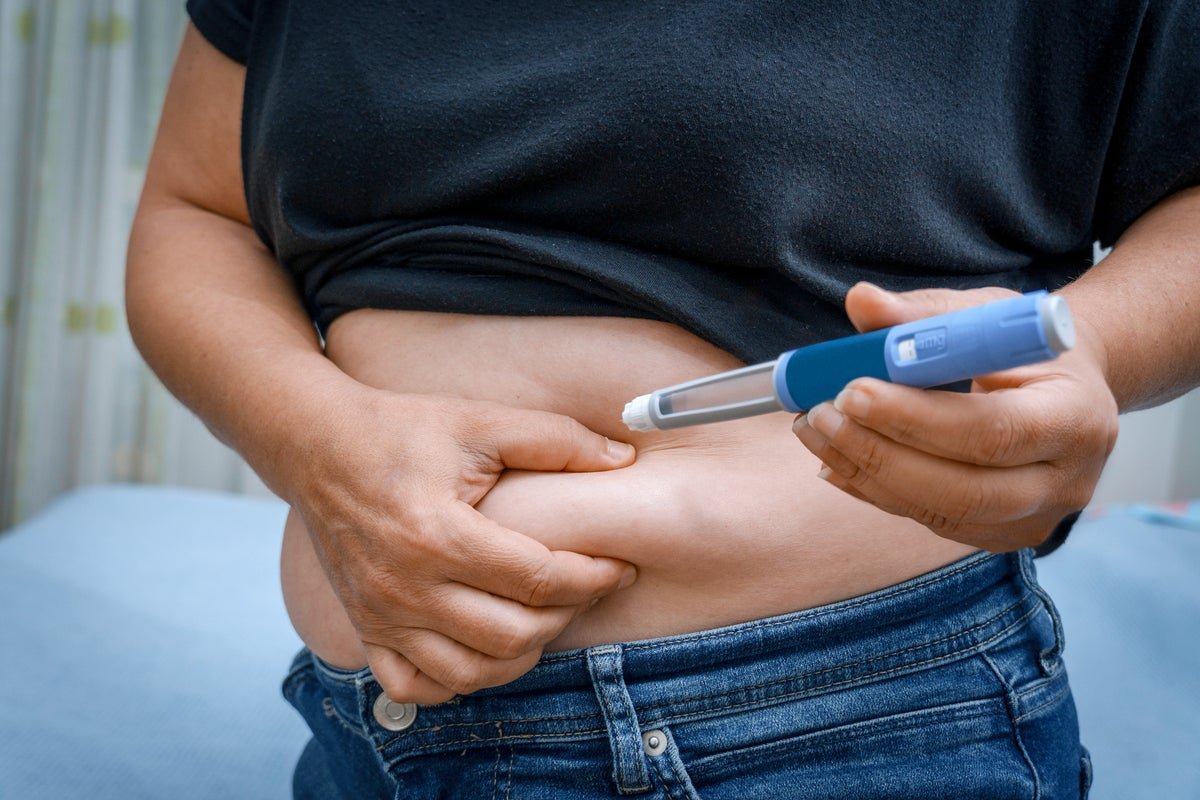

Weight-loss drugs known as GLP-1s have surged in popularity across the United States, with one in eight adults using them to manage weight or chronic conditions, based on a recent November survey from health policy experts. These medications generate billions in revenue and continue to expand. For instance, drugs like Ozempic and Wegovy brought in over $31 billion for Danish pharmaceutical giant Novo Nordisk in 2024, representing a significant portion of Denmark’s GDP. Celebrities openly endorse these treatments, fueling widespread discussions on social media, where terms like “Ozempic face” highlight side effects from quick weight reduction. Uptake may increase further as these drugs transition from injections to convenient pill formats.
GLP-1s extend their influence beyond individual health, affecting revenues across diverse sectors for better or worse. Research indicates that users reduce spending on groceries and fast food due to altered eating habits and diminished appetite. Nicolette Pace, a registered dietitian in New York, explains that individuals often report feeling less hungry and consuming smaller portions during weight loss. These drugs also target brain reward centers, reducing cravings for ultra-processed foods, according to Dr. Will Haas, a board-certified integrative medicine physician in North Carolina.
Shifts in Grocery and Fast Food Spending
Grocery spending drops noticeably among households with GLP-1 users, falling more than 5 percent within six months, as detailed in a December peer-reviewed study in the Journal of Market Research. Similarly, a January analysis from consulting firm Bain & Company shows U.S. consumers on these drugs cut fast food expenditures by an average of 5 percent. Major fast food chains report declining sales, with analysts labeling weight-loss drugs as key demand disruptors. McDonald’s may face up to 28 million fewer customer visits and a $482 million annual loss, according to financial firm Redburn Atlantic.
To counter this, some food companies introduce “GLP-1 friendly” labels on high-protein products in U.S. grocery stores. These labels lack regulation, so users must review ingredients and consult physicians for dietary advice. Pace cautions that simply eating less without healthier choices allows the drug to bear the full burden. She notes many patients reduce portions but fail to upgrade to nutritious options, relying solely on the medication.
Declines in Alcohol and Beverage Consumption
Users of weight-loss drugs often cut back on alcohol and other drinks. Haas observes that many patients experience reduced cravings and lower alcohol intake. A March 2025 EY-Parthenon survey confirms 44 percent of GLP-1 users drink less after starting treatment, with 82 percent sustaining the habit post-medication. Alcohol stocks dipped last summer, partly due to rising GLP-1 adoption. Brown-Forman, maker of Jack Daniel’s whiskey, cites pressures from these drugs and shifting preferences among younger adults.
This health focus extends to other beverages like coffee and soda, potentially challenging major producers. However, Coca-Cola CFO John Murphy asserts the company remains prepared with low- or zero-calorie options to meet varied consumer needs.
Benefits for Airlines and Fuel Efficiency
Airlines benefit from lighter passengers thanks to GLP-1s, which lowers fuel costs. A recent Wall Street analysis from Jefferies estimates U.S. carriers could save up to $580 million next year. The firm highlights airlines’ ongoing efforts to minimize weight, from pitless olives to lighter paper materials.
Transformations in Fashion and Beauty
The fashion sector sees rising demand for smaller sizes, reversing prior trends toward larger ones, per a September Impact Analytics study. Higher return rates pose risks to brand revenues without adaptation. Prashant Agrawal, founder of Impact Analytics, warns that GLP-1s upend demand patterns rapidly, threatening billions in margins unless retailers plan for future body types.
U.S. retailers respond by stocking fewer extended sizes. Avneet Singh, founder of men’s clothing brand Regent Row, notes tighter in-store size ranges and “online-only” labels for 2XL and above. In beauty, companies develop skincare lines targeting dry, tight skin—a common GLP-1 side effect.
Boost to Fitness and Exercise
Haas reports more patients prioritize gym visits for resistance training to preserve muscle mass alongside weight loss. Users increasingly recognize cardio’s limitations and emphasize strength exercises. Gym operators view GLP-1s positively. Life Time, for example, offers customized programs for these users. Chief science officer Jim LaValle emphasizes the need for resistance training, muscle maintenance, and dietary support to maximize success with GLP-1s.

