




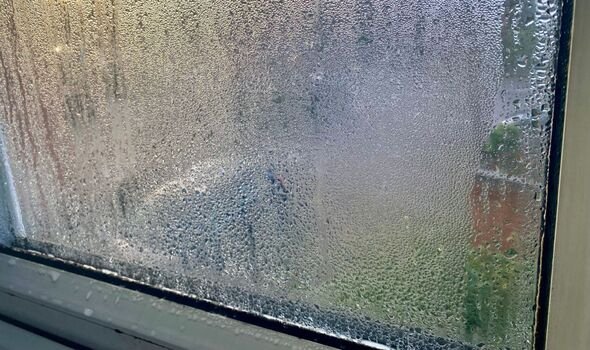

Window condensation often appears as a natural response to the temperature difference between a warm indoor space and the cold outdoor air. In fact, it signals that your home is holding heat effectively against winter conditions. Frustrated by foggy windows each morning, I decided to test a simple tip from professional cleaners to tackle the issue head-on.
Understanding the Condensation Challenge
Condensation forms when humid indoor air meets cooler window surfaces, leading to moisture buildup that can sometimes foster mould if left unchecked. Experts emphasize that proper ventilation plays a crucial role in managing this common household problem. Lisa Stewart, a professional cleaner, recommends a straightforward approach: “Open your window for 15 minutes every morning. It works wonders for putting an end to window condensation and even mould.”
Putting the Tip to the Test
In the midst of winter, with visible condensation on my bedroom windows, I opened them wide for exactly 15 minutes, bracing for the chill. The fog began to lift noticeably within that time, though the process might have sped up further with the room heater running. Compared to other areas of the house, the treated window took longer for moisture to reaccumulate, offering a clear benefit.
The influx of fresh air also invigorated the space, making it feel cleaner and more breathable. This method effectively dissipated the existing condensation and slowed its return, proving ventilation’s power in balancing indoor humidity.
Optimizing for Best Results
To avoid dropping the room temperature too low, I recommend combining this routine with brief heating. In a follow-up trial with the heater on, the results improved dramatically, clearing the panes faster without excessive cold. Regularly airing out rooms while heating is active helps maintain clear windows and reduces energy waste over time.
If moisture persists despite daily ventilation, gently wiping the windows can prevent long-term issues like mould growth. This quick habit offers an accessible way to keep homes comfortable and condensation-free during colder months.

